



Foam concrete is typically used for void filling, trench reinstatement, backfilling and ground stabilisation. It is particularly useful for filling cavities, redundant pipes, basements or areas where traditional concrete would be difficult to place. Its flowable nature allows it to spread into hard-to-reach spaces with minimal effort. This makes it a practical solution for both construction and civil engineering projects. 3. What are the benefits of foam concrete compared to traditional concrete? Foam concrete offers several advantages over traditional concrete. It is significantly lighter, which reduces load on underlying structures and makes it suitable for sensitive ground conditions. It is also highly flowable, meaning it can be placed quickly without extensive labour or compaction. In addition, it can be more cost-effective for certain applications, particularly where large voids need to be filled efficiently.

Ready Mixed Foam Concrete
Ready Mixed Foam Concrete
L&S foam concrete is a low density, highly workable concrete produced using air entraining agents. Foam concrete is self-levelling with no compaction required; there are considerable savings to be made with time and expense on both labour and plant.
Foam concrete is ideal for a range of applications such as trench fill, tank fill and for filling voids.
Foam Concrete for tank Fill
This particular foamed concrete is designed for the filling of redundant fuel tanks but can also be used for mass void fill.
- Back filling out of use sewers and other cavities
- Filling of fuel tanks within de-commissioned petrol stations
- Unwanted service shafts and ducts
- Disused cellars and basements
Foam Concrete for Filling Trenches
L&S foamed concrete is widely used as a material for the filling of trenches. We provide cost effective concrete that complies with the road and street works Act 1991. As the concrete requires no compaction and can be resurfaced quickly it makes it a cost effective solution to trench fill.
- Protection of Water, Gas, Electricity and other buried services
- Easy to use, cost effective material
- Reduced risk of subsidence
Foam Concrete Enquiry
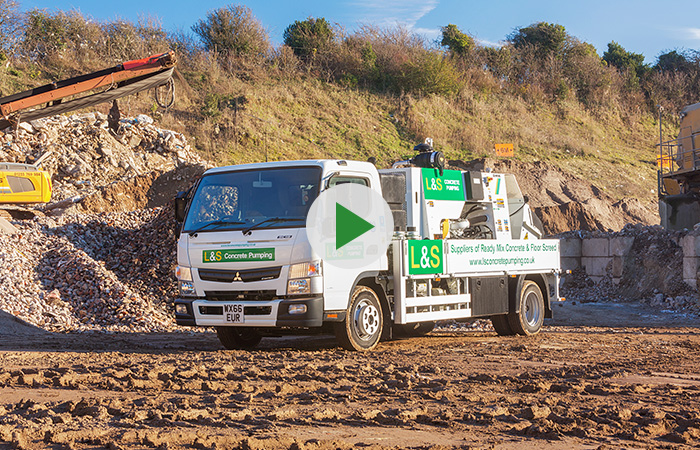
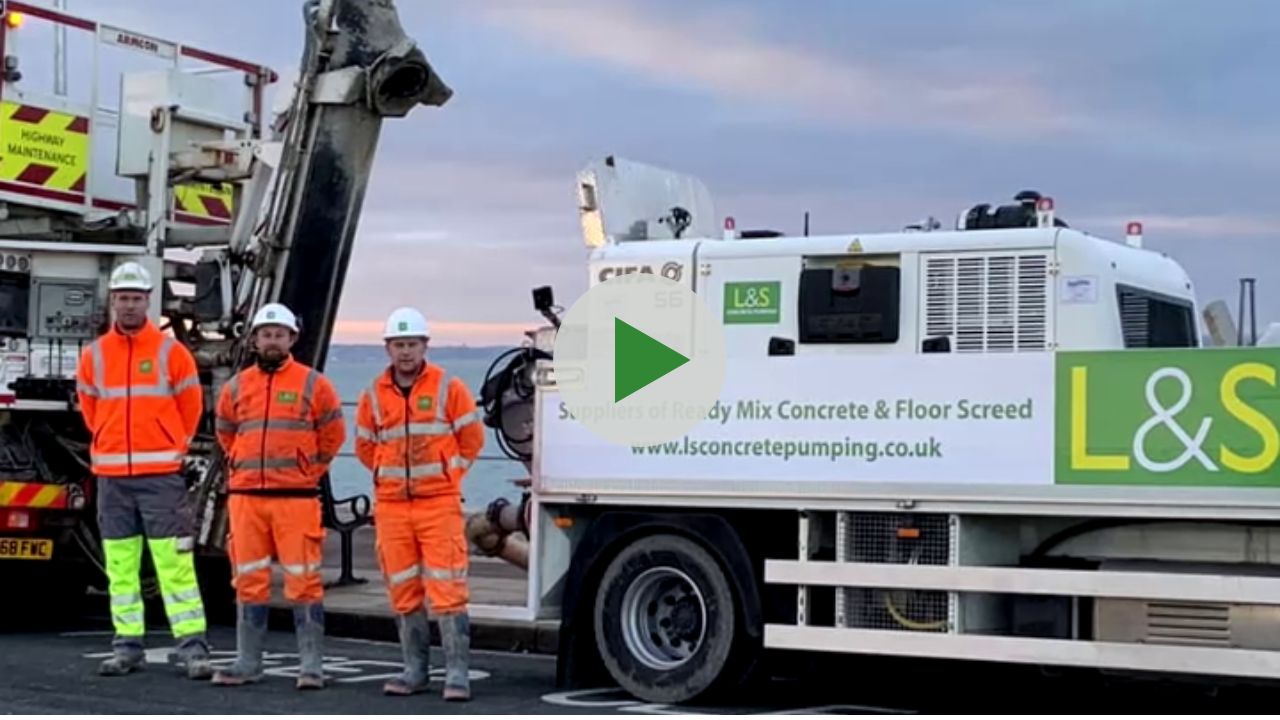
Concrete Pumping video
Watch our Concrete Line Pump in action.
Helpful Documents
You might find these documents useful.

Ready Mixed Concrete
High quality Ready Mixed Concrete.
Go >

Ready Mixed Foam Concrete
Ideal for applications such as trench fill, tank fill, or filling voids.
Go >

Concrete Line Pumping
Fast and efficient Concrete Line Pumping service.
Go >

Ready Mixed Floor Screed
High quality fresh screed mixed on site.
Go >

Join our Newsletter
FAQs
What is foam concrete used for?
Is foam concrete strong enough for construction use?
Foam concrete is designed for specific applications rather than structural use in the same way as standard concrete. While it provides sufficient strength for tasks such as void filling and trench reinstatement, it is not typically used for load-bearing structural elements like foundations or slabs. L&S Concrete can advise on whether foam concrete is suitable for your particular project.
How is foam concrete installed?
Foam concrete is delivered ready mixed and can be poured or pumped directly into place. Because of its flowable nature, it requires minimal preparation and no compaction in most cases. It spreads easily to fill voids and uneven spaces, making installation quick and efficient. This reduces labour time and helps speed up project completion.
Can foam concrete be pumped?
Yes, foam concrete can be pumped, making it ideal for sites with restricted access or hard-to-reach areas. Pumping allows the material to be delivered precisely where it is needed, even over long distances or around obstacles. This improves efficiency and reduces manual handling on site. L&S Concrete can provide pumping as part of the service if required. 7. Is foam concrete more cost-effective than traditional fill materials? Foam concrete can be more cost-effective in situations where large volumes need to be filled quickly and efficiently. Because it is easy to place and requires less labour and compaction, it can reduce overall project costs. It can also eliminate the need for multiple layers of traditional fill materials. The overall cost will depend on the application, and L&S can advise on the best option.
How quickly does foam concrete set?
Foam concrete typically sets relatively quickly, although the exact setting time depends on the mix design and site conditions. It can usually be walked on within a short period and continues to gain strength over time. Faster setting times can help keep projects on schedule and reduce downtime. L&S Concrete can provide guidance on expected setting times for your specific mix.
What types of projects benefit from foam concrete?
Foam concrete is widely used in construction, civil engineering and utility projects. Typical applications include trench backfill, void filling, bridge abutments, roadworks and stabilising weak ground. It is particularly useful where access is limited or where traditional materials would be difficult to place. Its versatility makes it suitable for a wide range of specialist applications.
Why choose L&S Concrete for foam concrete supply?
L&S Concrete provides a reliable and flexible foam concrete supply service tailored to your project requirements. With volumetric mixing, experienced operators and the option for pumping, L&S ensures the material is delivered and placed efficiently. The ability to combine foam concrete with other services such as aggregates, grab hire and waste removal makes L&S a practical one-stop solution. Customers benefit from expert advice and a professional service designed to keep projects moving.
What is ready mixed foam concrete?
Ready mixed foam concrete is a lightweight, flowable concrete made by introducing air or foam into the mix. This creates a material that is much lighter than traditional concrete while still providing strength and stability for certain applications. It can be poured easily and spreads to fill voids without the need for extensive compaction. Foam concrete is commonly used where weight reduction and ease of placement are important.
CONTACT US
FOLLOW US

Big pour? Awkward access? Lots of concrete to move?🎵 Pump up the volume.L&S Concrete Pumping gets concrete from the truck to where it needs to be, helping reduce the hard graft and keep the job moving.Concrete pumping without the song and dance.👉 Order concrete online:buff.ly/sgc3Xqn#Concrete #ConcretePumping #Construction #LSConcrete
Still shifting concrete by wheelbarrow? You pour thing. 😩There is an easier way.L&S Concrete Pumping gets concrete where you need it quickly and efficiently, with a lot less legwork.Give yourself a break.👉 Order concrete online:buff.ly/sgc3Xqn#Concrete #ConcretePumping #Construction #Builders #LSConcrete
Every great construction site needs a good number two. 🚽Fortunately, we can supply as many as you need.Portable toilet hire from L&S, delivered to site and ready when nature calls.👉 Book online: buff.ly/6nl4ha6#PortableToiletHire #ConstructionHumour #SiteLife #LSWaste
AFC Southsea U8s are looking super smart in their new L&S Waste sponsored kits! ⚽👏We’ve been proud sponsors of Portsmouth FC for years, but Pompey might have some competition for the best dressed team in town! It’s a pleasure to support the next generation of local footballers through our Community Fund.Good luck for the season, we’ll be cheering you on! 💛#AFCSouthsea #GrassrootsFootball #CommunitySupport
Clean, reliable and delivered direct to site.👉 Book online: buff.ly/6nl4ha6#PortableToilets #construction #SiteLife #LSwaste
MESSAGE US

Company Information
Incorporated in England and Wales.
Registration No: 03475329
VAT No: 537 911 627
Registered Carrier Number: CBDU198877
Registered Office: Coronation Road,
Cressex, High Wycombe,
Buckinghamshire HP12 3TZ
Awards & Accreditation