

L&S Waste Management News Round – August 2026
It has been a busy summer for the UK waste and recycling industry, with landfill closures, pressure on waste treatment capacity, rising disposal costs, new environmental regulations and an increasingly tough approach to waste crime all making the headlines.
For businesses, construction companies and waste producers, these developments underline just how important reliable, compliant waste management has become.
Here is our round-up of some of the biggest UK waste management, recycling and construction waste stories from July and August 2026.
Landfill Closures Put Pressure on UK Waste Disposal Capacity
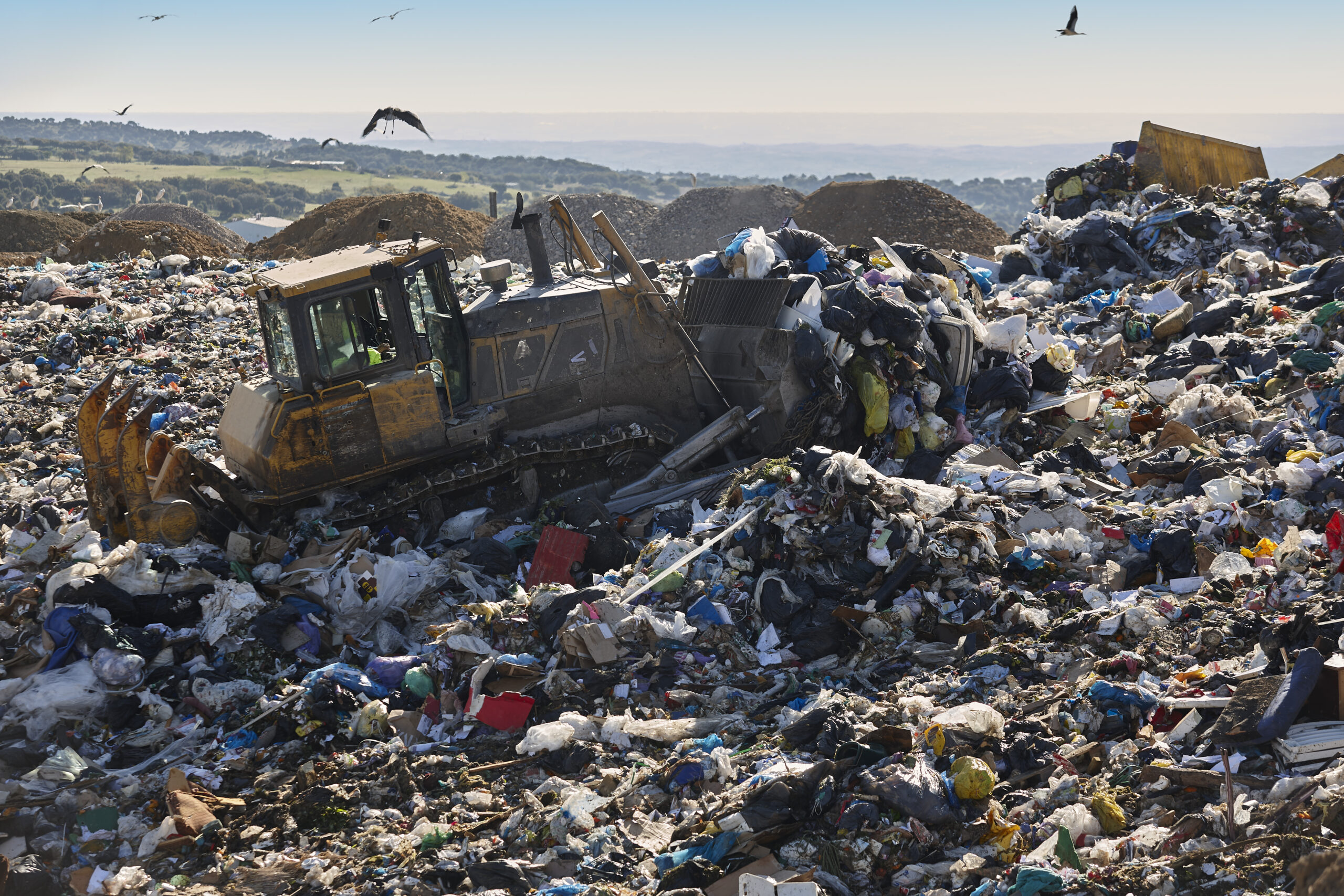
One of the biggest stories affecting the waste industry this summer has been the temporary closure of landfill capacity across the UK.
At the end of July, Valencia Waste Management confirmed that all seven of its UK landfill sites had stopped accepting residual waste, although soils continued to be accepted. Other landfill capacity has also been affected, including the suspension of waste acceptance at Seaton Meadows landfill in Hartlepool.
The disruption has reduced available outlets for residual waste and placed additional pressure on remaining waste treatment and disposal facilities.
With waste having to travel further to find suitable treatment or disposal capacity, operators across the industry are facing increased transport costs, longer turnaround times and higher gate fees.
L&S View
The current situation demonstrates how interconnected the UK waste management infrastructure has become.
When major disposal facilities reduce or suspend capacity, the effects can quickly spread through the wider waste industry. Remaining facilities receive additional tonnage, transport distances increase and disposal costs rise.
For waste producers, particularly those generating significant volumes of construction waste, commercial waste and general waste, working with an established waste management company with access to multiple disposal and recycling routes is increasingly important.
Waste Wood Market Faces Capacity Challenges
Waste wood has also been experiencing significant market pressure.
Figures published by the Wood Recyclers’ Association showed that the amount of waste wood processed in the UK fell by more than 7% during 2025, despite waste wood arisings remaining broadly stable.
Around four million tonnes were sent for reuse, recycling or recovery, representing approximately 89% of UK waste wood generated.
During July, recycling facilities were reported to be holding high stock levels, with some operators having limited capacity to accept additional material.
The Environment Agency has subsequently extended temporary regulatory measures allowing qualifying waste wood operators additional storage flexibility into 2027.
L&S View
Wood is one of the most common materials generated by construction, demolition, refurbishment and property clearance projects.
Where possible, separating timber and other recyclable materials at source can improve recycling opportunities and reduce the amount of mixed waste requiring more expensive treatment.
However, current pressures within the waste wood market demonstrate that recycling depends upon having sufficient processing capacity and viable end markets for recovered materials.

Government Steps Up Fight Against Waste Crime
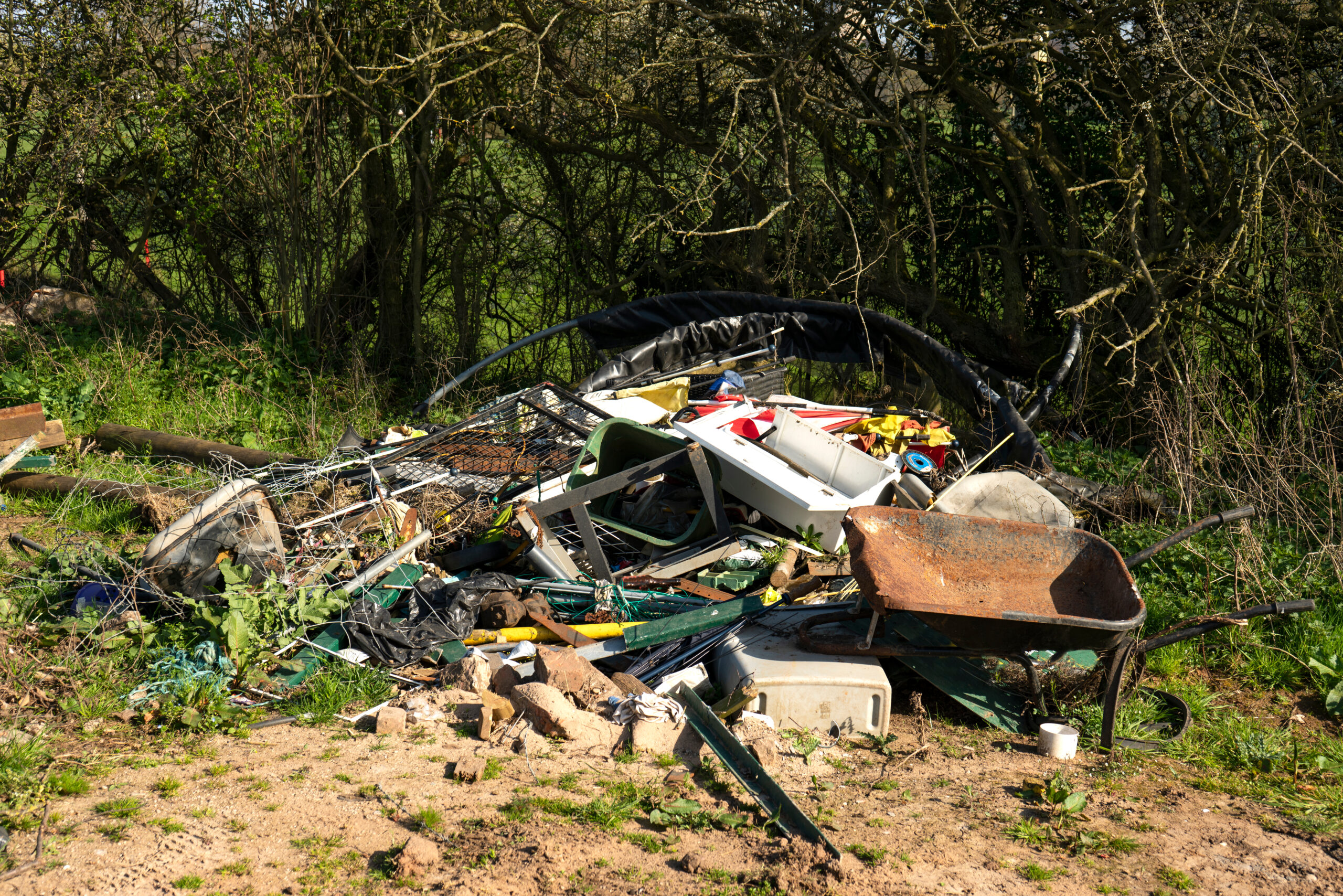
Waste crime has remained firmly in the national spotlight this summer.
The Government has announced further measures aimed at tackling illegal waste operators, organised waste crime and fly-tipping, including substantially increased penalties.
Maximum fines for some waste offences are set to rise to £5,000, while enforcement agencies are being given additional tools to pursue offenders.
The Government’s Waste Crime Action Plan states that local authorities in England deal with around 1.26 million fly-tipping incidents every year, while the Environment Agency estimates that approximately 20% of waste in England is illegally managed.
The Environment Agency has also highlighted the growing involvement of organised criminal groups in illegal waste activity, describing waste crime as a billion-pound criminal enterprise.
L&S View
Illegal waste operators don’t just damage the environment – they undermine legitimate waste companies that invest heavily in licences, vehicles, environmental permits, training and compliant disposal routes.
Businesses also have a Duty of Care to ensure their waste is handled correctly.
Choosing a reputable, licensed waste carrier and maintaining the correct waste documentation helps protect your business and ensures waste is taken to an authorised facility.
More Than Two Million Tonnes Identified at Priority Waste Sites
The scale of the UK’s waste crime problem was highlighted further in July when the Environment Agency’s latest priority site information identified approximately 2.11 million tonnes of potentially problematic waste across England.
Sites highlighted included around 281,000 tonnes of contaminated soil in Cheshire, up to 180,000 tonnes of mixed shredded waste in Worcestershire and approximately 121,000 tonnes of construction and demolition waste at a site in Suffolk.
The Government has since announced plans for stronger intervention at some of the country’s most serious illegal waste sites.
L&S View
Construction and demolition waste can be particularly attractive to illegal operators because of the volumes involved.
Contractors, developers and property owners should always check that companies collecting their waste are properly licensed and that the waste is being transferred to authorised facilities.
Saving a small amount on an apparently cheap waste collection can become extremely expensive if that waste is subsequently found to have been dumped illegally.
Digital Waste Tracking Moves Closer
One of the biggest changes to UK waste regulation in years is now approaching.
The first phase of Digital Waste Tracking is scheduled to begin in England from 1 October 2026, initially affecting permitted waste receiving facilities.
The new system is intended to improve the traceability of waste as it moves from the producer through collection, transfer, treatment, recycling and disposal.
Further phases will expand the requirements to other organisations involved in moving and arranging waste.
Ultimately, Digital Waste Tracking is designed to replace much of the fragmented paper-based system currently used across the industry and make it easier for regulators to identify where waste comes from and where it ends up.
L&S View
Greater transparency should be positive for responsible waste companies and their customers.
Digital Waste Tracking will make it increasingly difficult for rogue operators to hide illegal waste movements while giving legitimate businesses better information about how waste is being managed.
For commercial and construction customers, good record keeping and working with reputable waste partners will become even more important.
Battery Fires Costing UK Waste Industry an Estimated £1 Billion
Lithium-ion batteries remain one of the most serious safety issues facing the waste and recycling sector.
New industry figures reported in August suggest battery-related fires at waste and recycling facilities are now contributing to costs of around £1 billion per year.
More than 1,500 fires were recorded at UK recycling and waste facilities between March 2025 and March 2026, with hundreds directly linked to batteries. Battery fires have also occurred in refuse collection vehicles.
Waste facilities in East London alone reportedly experienced a 52% increase in fires between 2024/25 and 2025/26, with batteries believed to be responsible for the majority.
Lithium-ion batteries can ignite when crushed or damaged during waste collection and processing, potentially causing extremely intense fires.
L&S View
Batteries, rechargeable devices and vapes should never be placed in general waste or mixed recycling containers.
A small lithium battery hidden inside a load of waste can put collection crews, recycling workers, vehicles and entire waste facilities at risk.
If you’re unsure how electrical items or batteries should be disposed of, always ask before placing them into a skip or waste container.

Construction Industry Faces Growing Pressure to Reduce Waste
Construction remains one of the UK’s biggest consumers of raw materials and one of its largest generators of waste.
At the same time, the construction market has continued to grow. Government statistics published in August showed total construction output increased by 1.6% in the three months to May 2026, with both new work and repair and maintenance increasing.
As construction activity increases, so does the importance of managing materials efficiently.
Across the industry there is growing interest in the circular economy, including retaining existing buildings where practical, reusing materials from demolition and refurbishment projects and increasing the use of recycled aggregates and secondary materials.
L&S View
Good construction waste management starts before the first skip arrives on site.
Separating materials such as soil, hardcore, concrete, metals, timber and general waste can significantly improve recycling and recovery opportunities.
It can also help contractors understand exactly what waste their projects are producing and identify opportunities to reduce disposal costs.
L&S provides skips, roll-on roll-off containers, grab lorries and specialist waste services for construction projects across Hampshire and the South Coast, alongside recycled and primary aggregates and ready-mixed concrete.
Waste Industry Under Increasing Regulatory Pressure
The events of the past few months point towards a wider change taking place across UK waste management.
Simpler Recycling is changing the way businesses and households separate recyclable materials. Digital Waste Tracking will provide much greater visibility of waste movements. Waste crime enforcement is being strengthened, while landfill and recycling capacity pressures are highlighting the importance of resilient treatment infrastructure.
At the same time, businesses are facing increasing expectations from customers, regulators and supply chains to demonstrate responsible environmental performance.
L&S View
Waste management is increasingly about much more than simply collecting a skip or emptying a container.
Businesses need to understand where their waste goes, how it is treated, what can be recycled and whether their waste contractor is operating compliantly.
For L&S, that means continuing to invest in our people, vehicles, recycling infrastructure and processing capability while helping customers find practical, compliant and cost-effective ways to manage their waste.
Need Help With Your Waste Management?
Whether you’re running a construction site, managing commercial premises, clearing a property or simply need a skip for your next project, L&S can help.
Our services include skip hire, roll-on roll-off containers, grab hire, tipper services, commercial waste management, recycling, aggregates and ready-mixed concrete across Hampshire and the South Coast.
Book skips, grabs and concrete online at www.lswaste.co.uk or call the L&S team on 01329 840000.

Company Bio
Find out why L&S is no ordinary waste management company.
Go >


L&S In The Community
Learn more about our community projects.
Go >


Meet The Team
An introduction to the L&S management.
Go >

CONTACT US
FOLLOW US

🚛 Our new L&S Concrete lorry is already earning its keep!Great to see the latest addition to the L&S fleet out on site, supplying concrete for work on the new stretch of the M27.It’s always good to see our vehicles playing a part in major infrastructure projects right here in Hampshire – and the new truck is certainly looking the part! 👌For concrete supply across Hampshire and the surrounding area, get in touch with the L&S team on 01329 840000 or visit www.lsconcrete.co.uk #LSWaste #LSConcrete #Concrete #M27 #Hampshire #Construction #Infrastructure
Zero Waste Week ♻️https://www.zerowasteweek.co.ukIt's #zerowasteweek - A reminder that the best waste is the waste we don't create in the first place.For businesses and construction sites, small changes can make a significant difference:Reduce unnecessary materials.Reuse wherever possible.Separate waste correctly.Recycle more.Make responsible disposal the last resort.We're here to help businesses put better waste management into practice, not just this week, but every week.Find out more about Simpler Recycling lswaste.co.uk/our-services/simpler-recycling/ #zerowasteweek #wastereduction #recycling #LSwaste
What happens after we collect it? ♻️For us, waste collection is only the beginning.The real objective is making sure materials are handled responsibly, recyclable resources are recovered wherever possible and unnecessary waste is kept away from landfill.It's why choosing the right waste partner matters.Find out more here: youtu.be/7VqU9-VCSA4L&S Waste Management — helping businesses and construction sites deal with waste responsibly.Need help with your waste? Call the L&S team on 01329 840000.#Recycling #WasteManagement #Sustainability #LSWaste
🏠 Want a driving job that keeps you closer to home?We’re proud to be a local Hampshire business offering great opportunities for LGV drivers. Take a look at what we can offer 👇📧 Email your CV to careers@lswaste.co.uk
Back to business!September often feels like the start of a new year for business.Sites get busier. Projects restart. New jobs get underway.If your autumn workload is building, L&S can support you with:♻️ Skip & RoRo hire🚛 Grab & tipper hire🪨 Aggregates🏗️ Ready-mixed concrete🚻 Portable toiletsOne local company. A lot of ways to keep your project moving.Book skips, grabs and concrete online at www.lswaste.co.uk or call the L&S team on 01329 840000.#Construction #WasteManagement #Hampshire #LSWaste
MESSAGE US
Company Information
Incorporated in England and Wales.
Registration No: 03475329
VAT No: 537 911 627
Registered Carrier Number: CBDU198877
Registered Office: Coronation Road,
Cressex, High Wycombe,
Buckinghamshire HP12 3TZ
Awards & Accreditation